
Does Gym Space Rental Include Insurance?
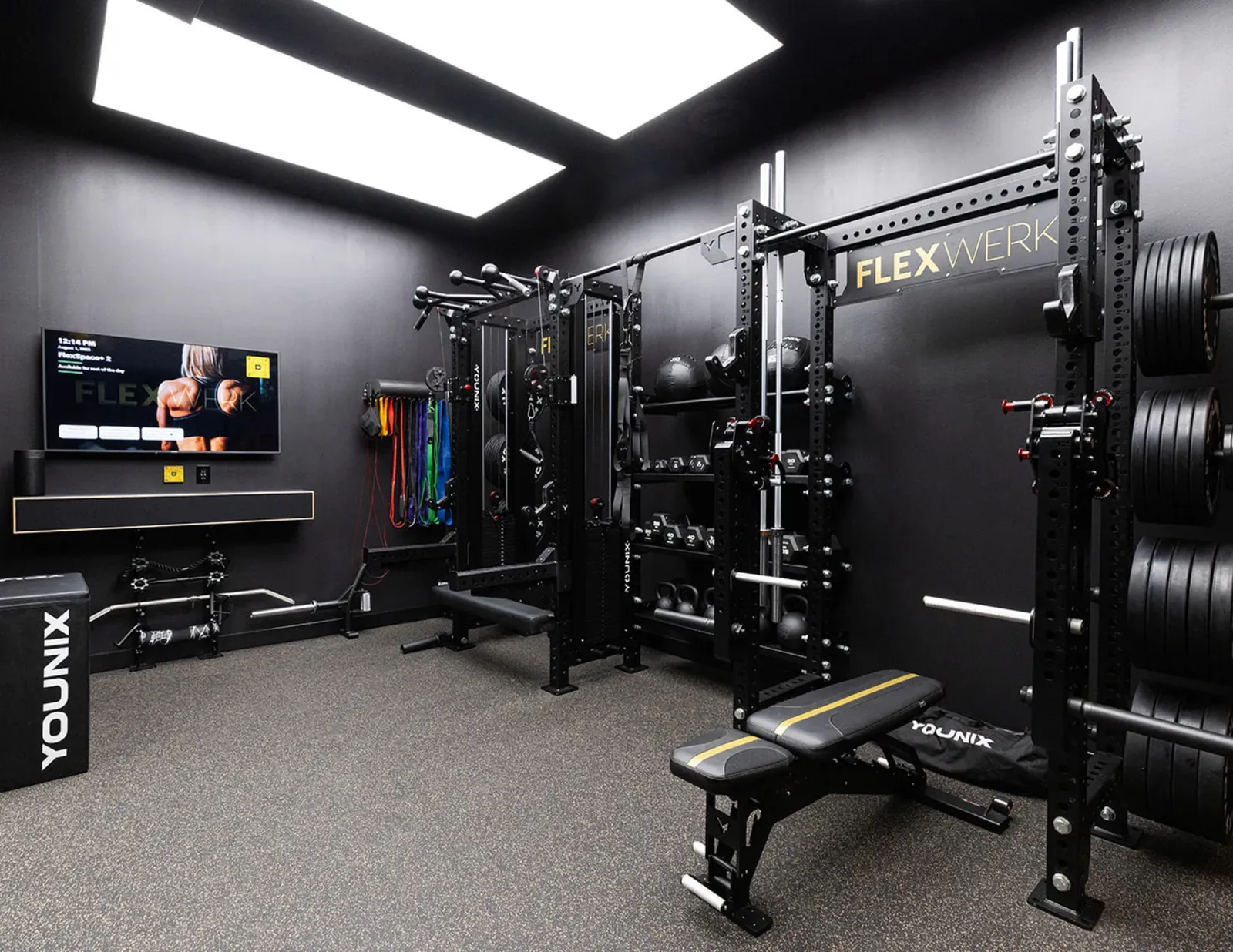
No. Renting gym space does not include liability insurance for your training business. The facility’s policy covers its own building and equipment; claims arising from your coaching are covered by the professional liability policy you carry yourself. This is the single most common misconception about hourly space, and clearing it up takes about four hundred words. At FlexWerk in Carmel, the easiest place to get your specific questions answered is the host conversation that comes with the free first hour for fitness professionals.
What the facility’s insurance actually covers
Every legitimate training facility carries coverage on its premises: the building, the equipment it owns, and its own operations. If a cable machine fails or a pipe bursts, that is the facility’s policy at work. What that policy does not do is follow your business. It was never designed to cover the programming decisions, instruction, and supervision that make up your professional activity, no matter whose roof you are under.
What your own policy covers
Two coverage types matter for a working trainer. Professional liability covers claims arising from the coaching itself: the program you wrote, the cue you gave, the load you selected. General liability covers third-party injury and property damage, the classic slip-and-fall category. Many policies aimed at fitness professionals bundle both, and several certifying organizations point members toward group policies as a benefit of staying credentialed. The full breakdown lives in what trainer insurance covers, and typical premiums, commonly a few hundred dollars a year, are covered in what trainer insurance costs monthly.
For specifics on limits and exclusions, confirm the details with a licensed insurance professional; policies vary more than marketing pages suggest.
Why the separation protects everyone
The clean split is a feature, not a gap. Your policy covers your professional activity in any venue: a rented room, a park, a client’s garage. The facility’s policy covers the premises for everyone inside. Neither party is exposed by the other’s business, and your client is protected from both directions. This is also why facilities commonly ask renters for a certificate of insurance before client sessions begin: it is the professional handshake that proves both halves are in place. What facilities typically require, and how to have your paperwork ready, is covered in do trainers need insurance to rent gym space.
What this looks like at an hourly facility
The practical sequence at FlexWerk is short. You claim the free first hour, ask the host about current requirements while you are standing in the space, get your certificate from your insurer if you do not already have one, and book hours through the app from there. More than 40 fitness professionals run their businesses out of the Carmel facility on exactly that footing, with no lease and no membership involved.
If you are earlier in the process and do not carry a policy yet, get quotes before your first paid session rather than after. Then book the free hour, bring your questions, and leave with the full picture of what operating here requires.
Related questions
Does FlexWerk provide insurance for the trainers who rent space?
FlexWerk carries its own coverage for the facility itself, which is separate from your professional coverage. Carrying your own liability policy is the professional norm, and a host will walk you through current requirements when you set up your account.
What is a certificate of insurance?
A one-page document from your insurer proving your policy exists, showing coverage types and limits. Facilities commonly ask for one before you run client sessions, and insurers typically issue them the same day at no cost.
Do I need my own policy if I only train myself in a rented space?
No. Professional liability exists for people who coach other people. Solo renters sign a standard waiver and book, the same as at any gym.