
Gym Rental Agreements: What Should You Check Before Signing?
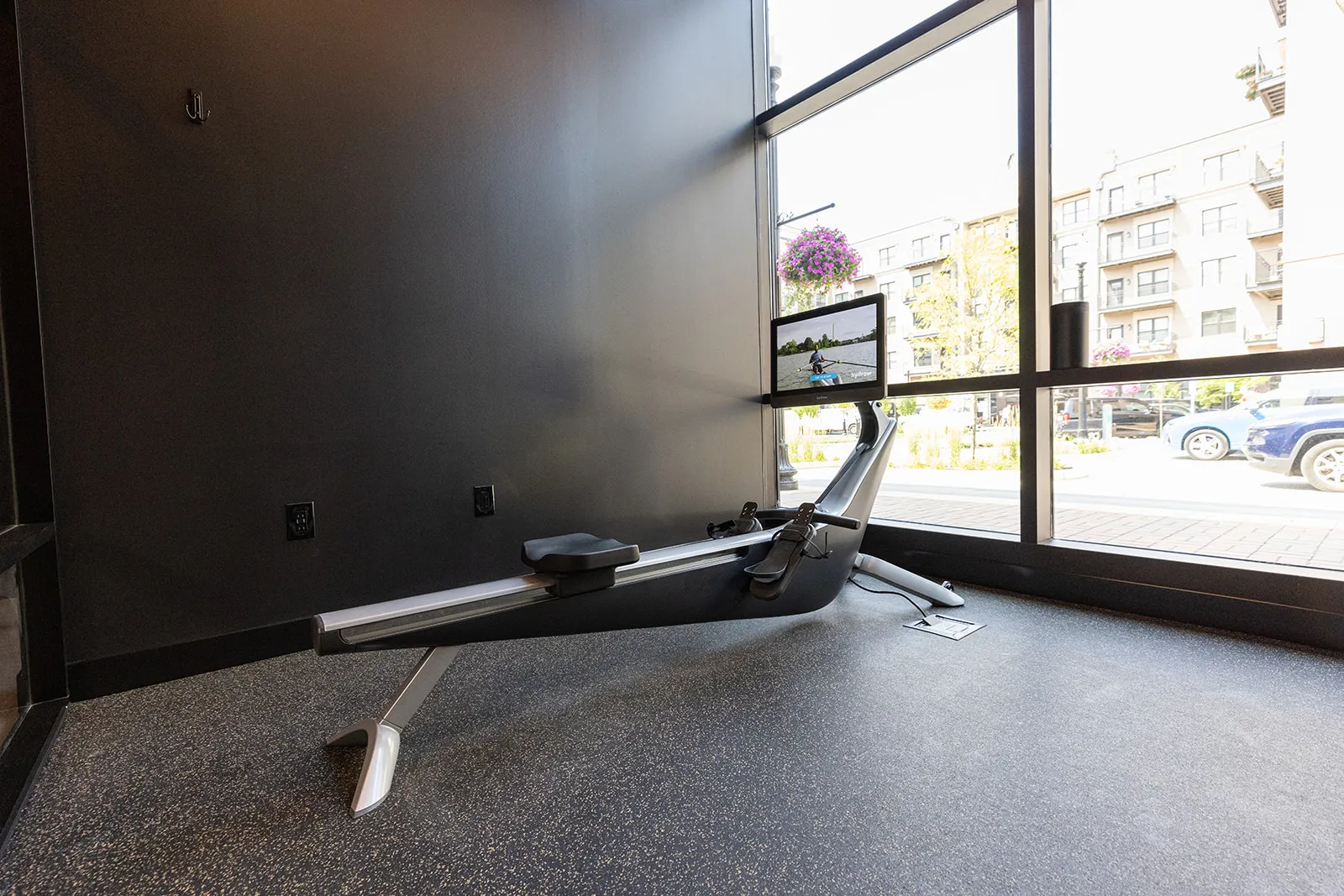
Before you sign any gym rental agreement, read five things closely: insurance requirements, cancellation windows, liability language, equipment terms, and how the rate can change. Hourly models like FlexWerk replace the lease entirely, which shrinks the paperwork dramatically, but every rental arrangement still has terms you are agreeing to, and the same five checks apply in lighter form.
Insurance clauses: what coverage the space demands
Almost every space rental agreement requires you to carry professional and general liability coverage, and the details are what vary. Look for the required coverage amount, commonly in the range of one million dollars per occurrence for trainers, whether the facility must be named as an additional insured, and whether you must show proof before your first session. None of this is adversarial; it protects both sides. What a compliant policy looks like and roughly what it costs is covered in insurance to rent gym space.
Cancellation and refund windows
Cancellation terms decide what a changed plan costs you. Check three numbers: how far ahead you can cancel without charge, what a late cancellation costs, and whether prepaid or recurring commitments refund at all. In lease and sublease arrangements this is where money quietly disappears, because a fixed monthly commitment does not care that your client roster shrank. Hourly booking moves this risk down to single hours, but the windows still exist, so know yours before your first busy week collides with a client’s flu.
Liability language: who is responsible for what
The liability section deserves your slowest reading, because it assigns blame in advance. A clear agreement distinguishes between what the facility owns, such as the building and equipment condition, and what you own, such as your professional conduct and your clients’ activity during your hours. Watch for language making you responsible for damage or injury however caused, and remember your own client waivers are a separate layer that this agreement does not replace; do waivers protect trainers covers that side. Legal language varies by state, so a one hour review with an attorney is cheap against what a vague clause can cost.
Equipment and rate terms
The last two checks are practical. On equipment: who maintains it, what happens when something breaks during your session, and whether you can bring or store your own gear. On rates: how much notice a price change requires, and what happens to prepaid time if terms shift. A lease can lock a bad answer in for years, which is the deepest argument for hourly models: at a facility where rooms simply book for $18 to $22 per hour through an app with no lease and no membership, your commitment is one hour deep, and the exit is not booking the next one.
Terms tell you half the story and the building tells the rest, so pair this read with a walkthrough using the touring checklist, and test the friendliest version of the paperwork with a free first professional hour.
Related questions
What does being named as an additional insured mean?
The facility asks your liability policy to extend its protection to them for claims arising from your sessions. It is a routine request, and most trainer policies add it quickly and cheaply.
Do hourly bookings have contracts too?
Yes, in lighter form. Even without a lease you accept rental terms when you book, covering cancellation, conduct, and liability. Shorter to read, still worth reading.
What is the biggest red flag in a space rental agreement?
Vague liability language that makes you responsible for things you cannot control, like all damage however caused. Clear agreements assign responsibility specifically; murky ones deserve a lawyer's eyes.