
Flooring to Teach Dance Privately: Rubber, Sprung or Vinyl
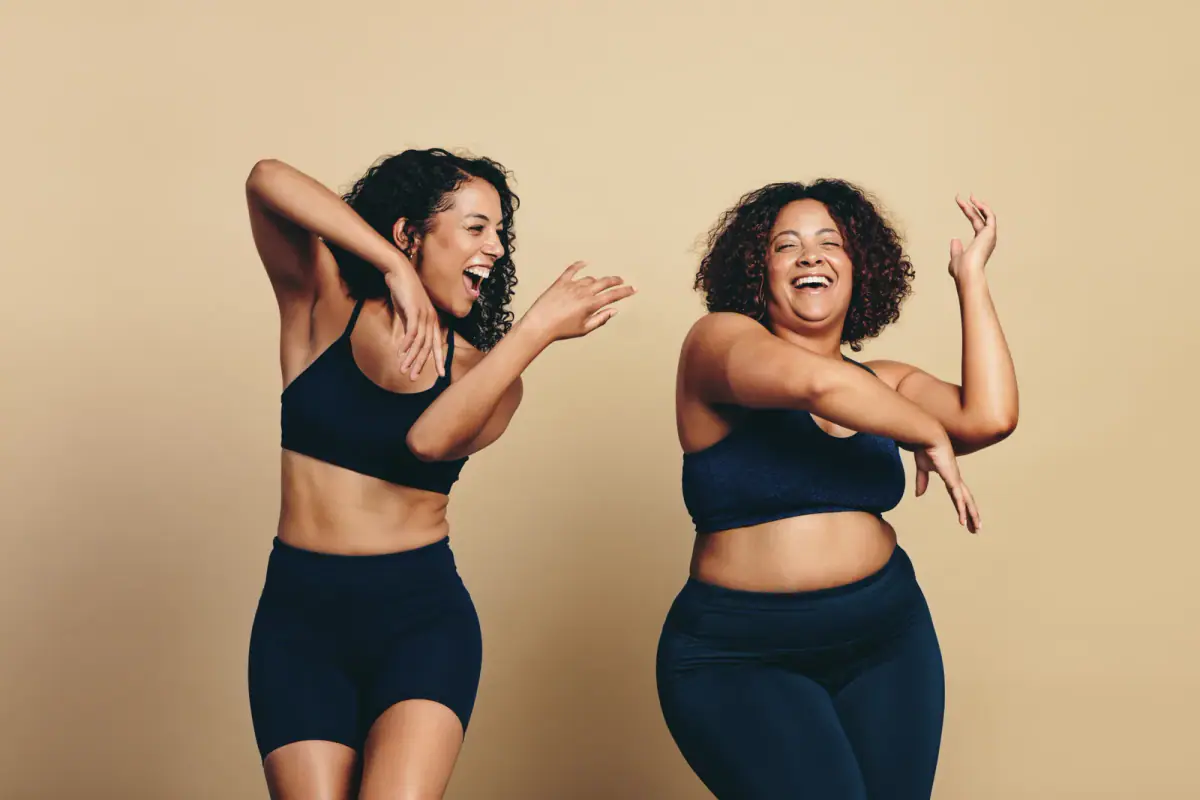
Rubber grips, sprung floors absorb shock and vinyl glides, so the right surface for a private dance lesson depends on whether you teach turns, jumps or ballroom travel. A rented training room is usually built for strength work, so a dance-friendly floor is a question to ask and not a fact to assume. For FlexWerk, the pro support team can confirm the surface of the space you plan to book through the first-hour offer.
The three surfaces in plain terms
| Surface | What it does | Suits | Watch for |
|---|---|---|---|
| Rubber | High grip, firm | Strength work, fitness dance | Sticks on turns, tough on knees in spins |
| Sprung | Flexes underfoot, absorbs impact | Jumps, ballet, jazz, contemporary | Rare outside dance studios |
| Vinyl | Smooth, slightly slick | Turns, tap, ballet slippers | Can slide too much for beginners |
A true sprung floor has a structure beneath the surface that gives on impact, which is why dance studios invest in one. Rubber and vinyl are surfaces, not suspension.
Match the move to the surface
If this, then that:
- Turns and spins: need a surface the foot can rotate on. Grippy rubber stresses the knee.
- Jumps and leaps: need shock absorption. On a hard surface, keep jumps small or skip them.
- Ballroom shoes: want a smooth, clean surface with controlled glide.
- Bare feet or soft shoes: depend on the finish; a rough surface can blister.
- Fitness dance: is usually fine on a firm, grippy surface in trainers.
When the floor and the move do not match, adjust the lesson and not the dancer.
What to ask a rented room
Policies and flooring are facility facts, so ask in writing:
- What is the floor surface in the room I will book?
- Is it hard underneath, and has anyone used it for dance?
- May I use a portable dance floor or sticky-grip product, and may I leave it?
- Are there rules about shoes, tape or residue on the surface?
- How is the floor cleaned between bookings?
For FlexWerk, direct these to prosupport@flexwerkfitness.com or (888) 353-9975. If an answer is unclear, assume the room is built for lifting and plan a lesson that suits.
If the room is not a dance floor
You can still teach well. Choose styles and drills that fit the surface: slow turns in dance shoes, travel patterns with small steps and strength, posture and rhythm work. Leave big jumps for a studio. A fitness-dance format that suits a firm floor is described in dance fitness in private space.
Portable options and carry-in rules
A portable roll-out surface can change a hard room, but it needs a facility’s permission and a way to carry it. The general rules for bringing gear are in bringing your own equipment to a training space. For beginners and social dance, the floor needs are modest, as discussed in private dance lessons near Fishers. If you only want to practice steps yourself, practicing dance in private explains what a closed room offers.
A test lesson settles it
Book the free first hour, bring your shoes and run a short version of your lesson. Note where the floor helps and where it limits you. Next step: email the surface questions today, then decide which styles to offer.
Related questions
What floor is best for dance lessons?
It depends on the style. Turns want a surface that lets the foot rotate, jumps want shock absorption, and ballroom shoes want a smooth surface with some control.
Can I bring my own floor?
Portable dance floors exist, but whether one is allowed in a rented room is a facility question. Ask before you book, and expect to carry it in and out yourself.
What does a rented room usually offer?
Training rooms are usually designed for strength and conditioning, so the floor may not be a dance surface. Confirm the actual flooring before you book.