
Private Room for Eating Disorder Dietitian Sessions
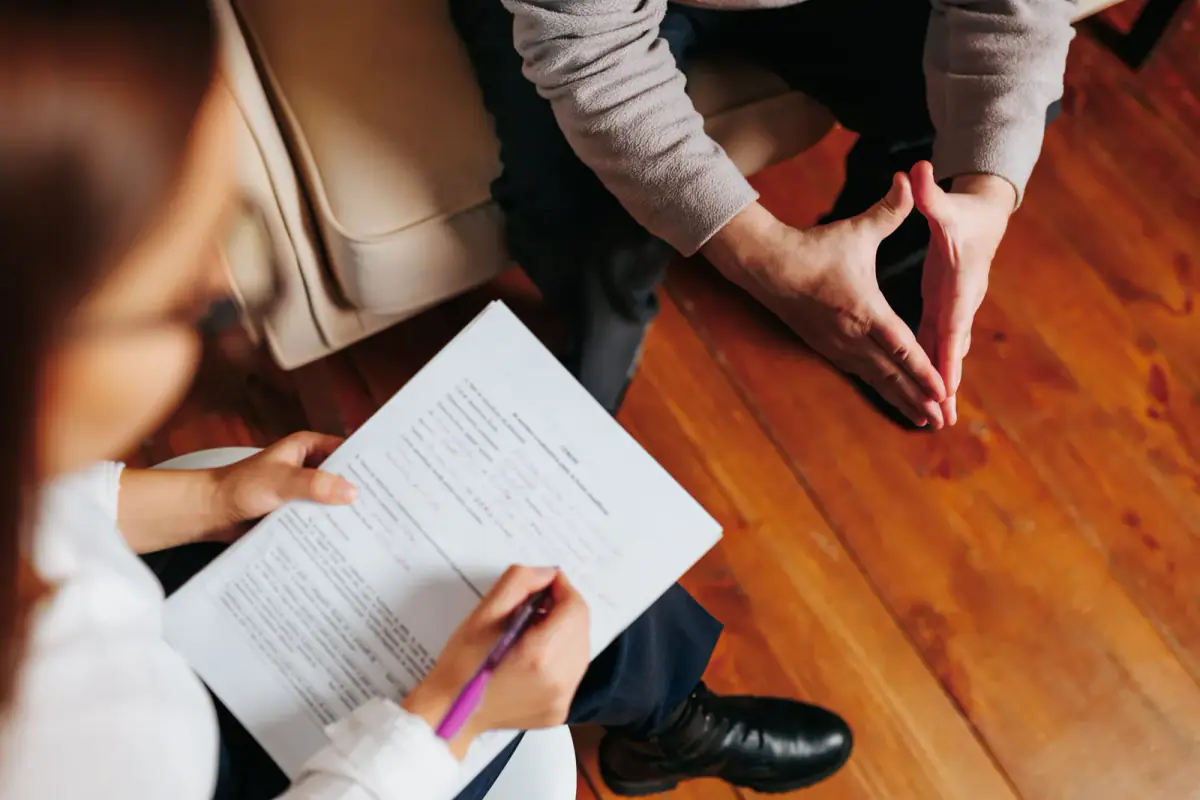
For an eating disorder dietitian, a private room is only as good as three things you can test in person: how much sound leaves it, how a client reaches it, and where a client waits. Treatment decisions stay with the client’s physician, therapist and your own clinical judgment, and a rented room adds privacy, never clinical oversight. FlexWerk’s private hourly spaces at Carmel City Center are fitness spaces, so this is a page about testing a fit, not promising one.
Questions to settle with the client’s team first
Whether a client should meet you in a new building at all is a clinical call, not a booking call. Before you move any session, check the following with the people who share the case:
- Does the physician or therapist see any reason to avoid a location with exercise equipment in or near the room?
- Is the client’s current plan one that a change of setting could disrupt?
- Who do you contact if a session goes badly, and does that person know the new address?
- Does your own informed consent paperwork cover the new location?
If any answer is uncertain, keep the session where it is. A room can wait.
Sound: test it, do not assume it
Every FlexWerk space is a closed room with a door, and the music is yours to control. What you cannot know from a page is how a quiet voice carries into the hallway or the next space at the hour you would book. Stand outside the door while a colleague speaks at your normal session volume, then swap. Do it once at a busy weekday hour and once in a quiet one.
Sessions here often involve difficult disclosures. If you can hear even tone from the corridor, plan for a white noise source of your own or choose a different slot.
The walk in and the waiting area
In a building shared by many professionals, the route from the entrance to your room is part of the session. Walk it as a client would and note:
- Where the client parks and how long the walk is.
- What the client passes on the way, and whether any of it centers on bodies, weights or scales.
- Whether a client who arrives early has somewhere private to sit instead of a shared area.
- Whether the room has a clear view into it from the hallway when the door opens.
Hours run Monday to Friday 5 AM to 9 PM and weekends 7 AM to 4 PM, so you can choose quieter windows when fewer people are in the building. Garage parking is a short walk from the door.
What to take out of the room, and what to ask
You control what is on the screen and what is in the room. Because the equipment is a fixed part of a training space, ask the pro support team whether anything can be moved or covered for your sessions, rather than assuming either answer. Bring your own materials, and keep scales and other measuring tools out of sight unless a session specifically calls for them. A fuller look at how a coach designs a body neutral space shows the same idea from the fitness side.
When you have walked it, listened at the door and spoken with the client’s team, book one hour at your actual session time and judge it by how the client settles, not how the room looks. The sibling guide on blind weigh-ins for dietitian clients covers the one routine many eating disorder practices want to handle privately.
Related questions
Does a rented room replace my treatment team?
No. A room is a place to meet. Diagnosis, medical monitoring and the overall plan stay with the client's physician, therapist and your own clinical judgment, and you work inside your licensure wherever you see clients.
Can I see the room before I commit?
Yes, and for this work you should. Tour the space at the hours you would actually book, and use the checklist on this page to test sound, the walk in and where clients wait.
Is a free first hour useful for this kind of practice?
It is a low pressure way to test one real session slot with a willing, established client, if your clinical judgment says that session suits a new room. The first hour is free for fitness professionals through the get started page.