
Do Dietitians Need a Body Composition Scale in Session?
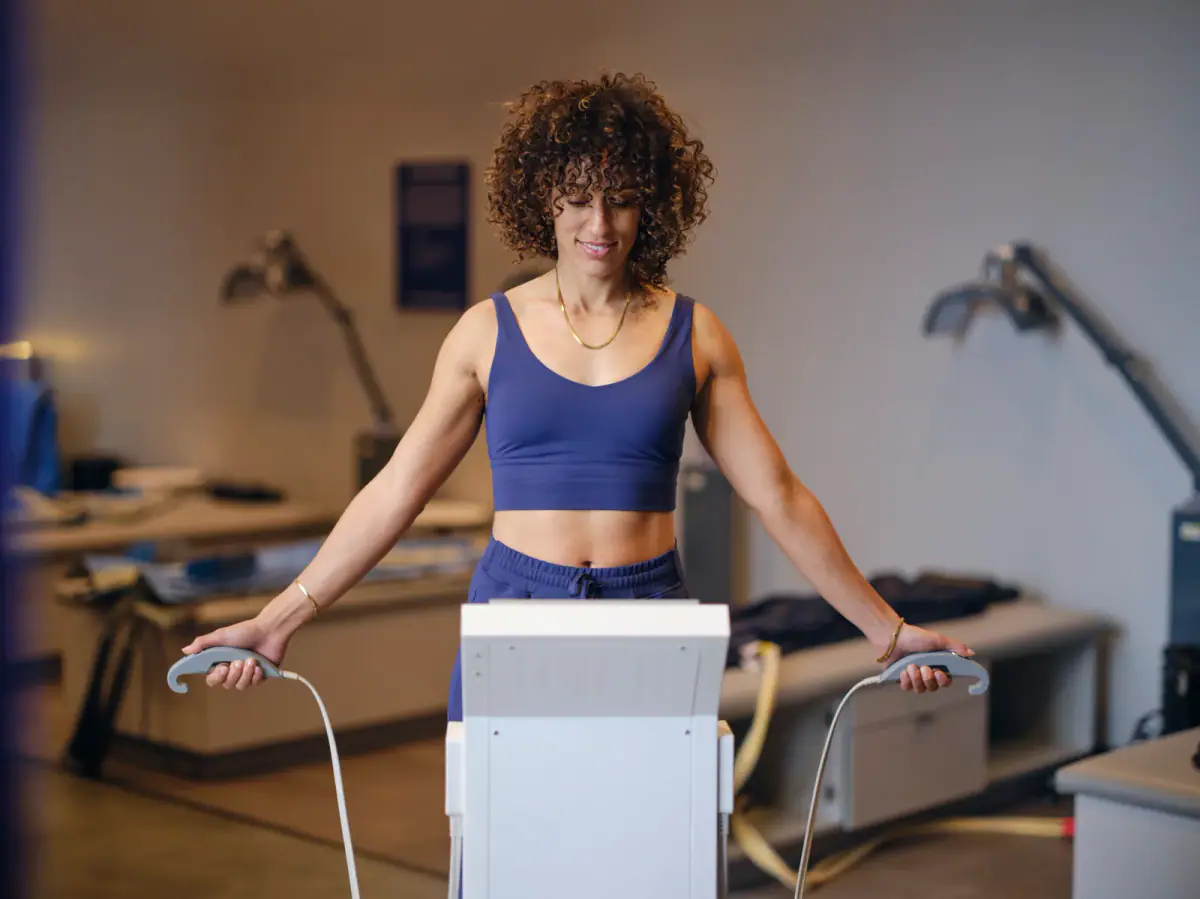
A dietitian does not need a body composition scale in session; a reading earns its place only when a client’s goal is a trend in body composition and the client handles numbers calmly. For many visits, a tape measure, a food log and how clothes and energy feel tell you as much with less risk. If you do use a reading, treat it as one data point and keep interpretation inside your own scope. A private room lets you take the measurement without an audience.
When a reading helps
A body composition scale adds value in a narrow set of cases:
- The client’s stated goal is to build muscle or lose fat while protecting muscle, and a trend over months would show whether the plan works.
- The client likes data, asks for it, and responds to it with curiosity rather than distress.
- You will repeat the measurement under the same conditions each time, so the change means something.
The common bioimpedance readings are sensitive to hydration, recent food and exercise. A single reading in isolation tells you little; the trend under consistent conditions tells you more. Manufacturer education materials give general reference ranges for their metrics, and a dietitian should present any such range as a general reference, never as a diagnosis.
When tape and a log do the job
Most visits do not need a device. Use these instead:
- Tape measurements at fixed sites, taken the same way each time.
- A food and hunger log that shows patterns you can adjust.
- Functional markers such as how stairs, carrying groceries or a favorite activity feel.
- Photos, only if the client chooses them.
These are cheap, repeatable and carry no number the client must defend.
Write down the method as well as the result. A note such as “tape at the widest point, relaxed, morning” lets you or the client repeat it exactly next month, which is the only way a change can be trusted. The reassessment cadence for trainers uses the same principle: measure only what maps to the goal and what you will faithfully repeat.
Decision checklist before you buy one
Answer these before you spend on a device:
- Does my typical client have a body composition goal, or a health condition that makes the number unhelpful?
- Can I repeat the reading at the same time of day and under similar conditions?
- Do I have a script for a reading that does not match what the client hoped?
- Would I be comfortable if the client saw the number every time?
If you answer no to any of these, start without the device. If you work with clients for whom weight itself is a clinical subject, the blind weigh-in guide covers the process, and the client’s clinical team decides whether to take readings at all.
Equipment in a rented room
A rented training space is built for training. Whether any measurement device is on hand is a specific detail, not a general promise, so ask the pro support team or check the app before a visit, and bring your own if a reading matters. Nutrition coaches who serve the Fishers side of the metro run the same kind of consult, described in nutrition coach space near Fishers, and most of what makes the visit work is the screen, the door and the quiet.
Related questions
Does the space come with a body composition scale?
Do not assume it. Equipment beyond the training gear varies, so ask the pro support team or check the app before a session, and bring your own device if a reading matters to your visit.
Can I use a reading to diagnose something?
No. A body composition reading is one data point and does not diagnose. Interpretation that bears on a medical condition belongs with the client's physician and your own clinical judgment.
What if a client finds numbers stressful?
Skip the scale and use tape, a food log and how the client feels in daily life. A visit can be useful without a single number that the client reacts to.