
Blood Flow Restriction Training for Physical Therapists
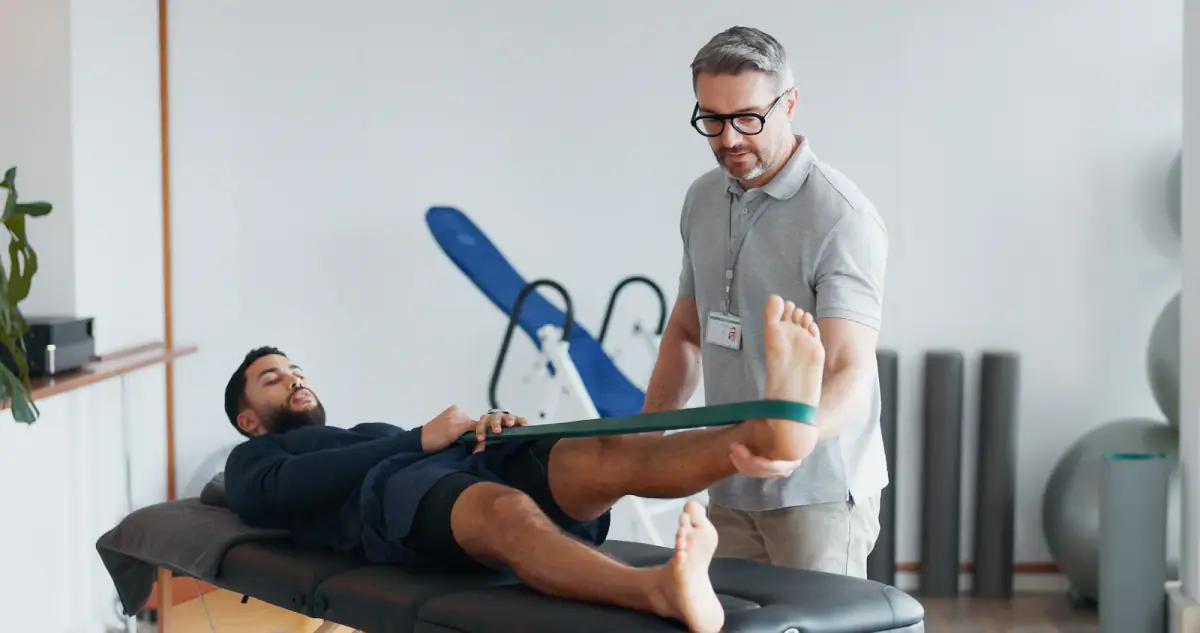
Blood flow restriction training uses a cuff to limit blood flow while a patient exercises, so it belongs under a licensed clinician and the patient’s physician, and this page offers no outcome claims. For a physical therapist, using it outside a clinic comes down to three things: your own scope and training, a documented screening and consent, and a private room with a stable seat and room to work. If you already see patients in a rented private room, the equipment is modest.
Scope and training come first
Whether BFR falls within your practice is a decision for your license, your board and your own training. Look at what the equipment maker’s instructions say, what a course would add and what your liability insurer expects. A clinician who has not used cuffs before should learn the method in a supervised setting before using it with patients in a rented room. If you are an employed PT, also check your employer’s policies, since protocols and outside use may be restricted. The wellness versus treatment answer lays out how PTs frame the line between clinical care and general wellness.
Screening before the first cuff
Screening is the clinician’s responsibility, and the specifics come from your training and the equipment instructions, not this page. In general terms:
- Ask about health history, including circulation, clotting and cardiovascular concerns, and anything the manufacturer lists as a reason not to proceed.
- Involve the physician when a history raises a question. That conversation comes before exercise, not after.
- Document consent, explaining in plain words what the cuff does and what the patient may feel.
- Set stop rules with the patient: what they should tell you right away and when you will stop.
- Record everything in your own system.
Questions to ask the physician first:
- Is this patient appropriate for an exercise method that restricts blood flow?
- Are there conditions or medications that should rule it out?
- What symptoms should send them back to you right away?
The equipment on the table
| Item | Purpose | Notes |
|---|---|---|
| Cuffs sized to the limb | The restriction itself | Follow the maker’s sizing guidance |
| Pressure measure or device | Consistency | Use what your training specifies |
| Stable seat or bench | Safe positioning | Confirm what the room has |
| Timer | Interval control | A phone is enough |
| Light weights or bands | The exercise itself | Bring or use the room’s dumbbells |
| Cleaning supplies | Hygiene between patients | Per maker’s instructions |
FlexSpaces at Carmel City Center include a custom lifting rack, a cable system and dumbbells, so you can use the room for the exercise side and carry only the cuffs and measurement tools. You will want to check storage, seating and how the room layout works for the movements you plan. Details on what a private treatment room offers are in the hourly PT treatment room answer and in PTs in a rented gym.
What the facility does and does not do
FlexWerk supplies private space, light, music and a screen, and no clinical services or oversight. It does not endorse any method, so everything about the clinical use of BFR remains yours. Rooms book by the hour, from $18 to $22, with no lease or membership, and fitness professionals can claim a free first hour through get started. Fees and terms for BFR sessions are yours to set.
A sensible next step
Before buying anything, write a one-page protocol that your own training supports, speak to your insurer about coverage, and book a free hour to rehearse setup with a colleague. Then add one carefully chosen patient, not a full caseload.
Related questions
Can a personal trainer use blood flow restriction cuffs?
Treat it as clinician-led. Cuffs change blood flow, so the screening and decisions belong to a licensed professional working within their own scope, and a trainer should wait for explicit direction from the client's clinician.
Do I need special training?
Many clinicians take a course before using cuffs. Check your board's expectations, your employer's or insurer's requirements and the equipment maker's instructions.
Does the room matter?
Mostly for privacy, space and a place to put equipment. Check with the host about anything you plan to bring.